A local pharmacy has a rotating display about 15 inches tall of factory-made charms. The display has a horizontal screen on top a bit larger than a cell phone which plays a video loop about the charms. The motion certainly caught my attention.
So I did a web search for POS digital displays. There were a lot of hits, but most of the ones I looked at were for custom-made displays with no prices shown (meaning very expensive). The few that showed prices started at $1,000.
I don’t do shows, but if I did I’d certainly like to have a large display at least the size of a tablet or laptop screen to draw eyes to my table, mounted high to be visible at a distance. Of course that might not be permitted. It probably depends on the venue’s rules.
When researching this I also read that major grocery stores are starting to use tiny digital displays on the edge of shelves where paper tags show cost per ounce, etc., and some are mounting displays on shopping carts, very in-your-face, to show ads. As digital displays become cheaper (if they do, these days) it seems like the coming new marketing tool.
Just thought I’d mention it in the event it might be of interest to those who do shows or have jewelry displays in stores.
3 Likes
Hi Neil!
So I did a web search for POS digital displays.
Try searching for “digital signage for retail” instead. You’ll get more search hits and the prices range from under a hundred dollars to several tens of thousands of dollars. This is a well-established industry that’s been around for decades. Signage can be anything from simple LED scrolling pixel displays like you used to see at banks to display the time and temperature, to full color high definition 4k displays large enough to cover the side of a building or replace a roadside advertising sign.
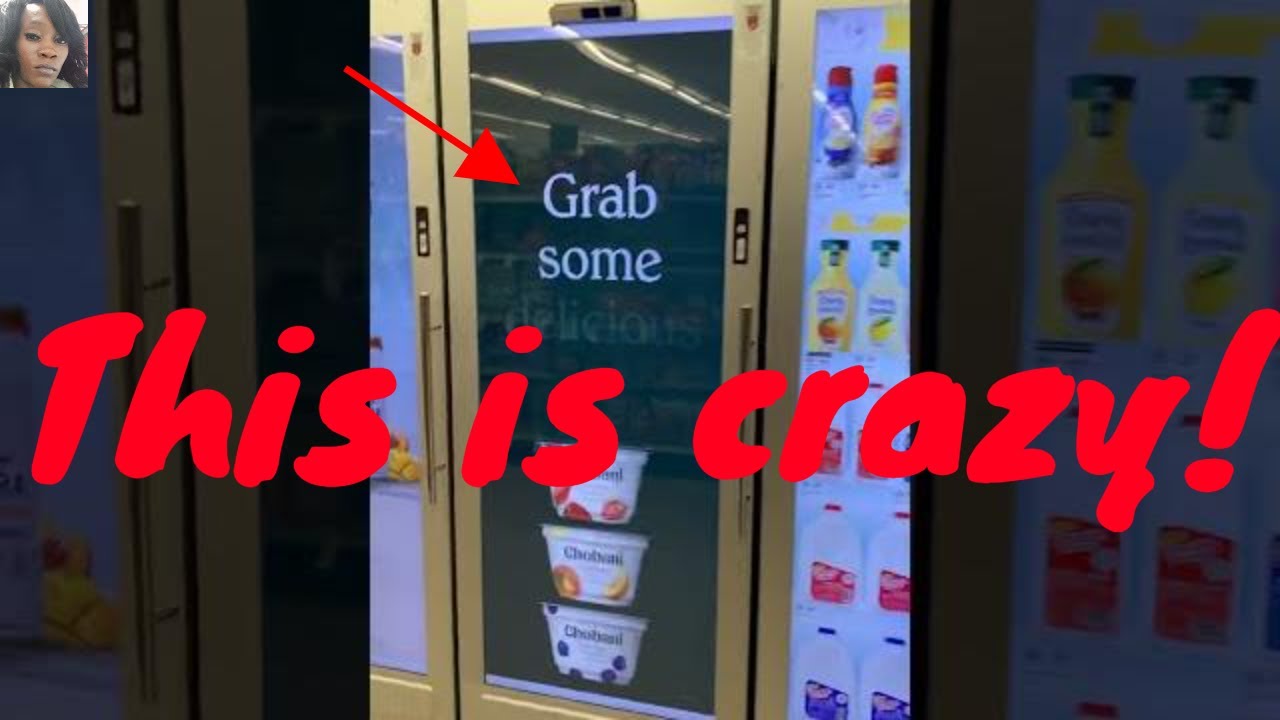
Several retail establishments are trying out replacement high definition digital display doors for coolers and upright freezers. Walgreens Pharmacy did a national trial that you may have seen:
The software for digital signage can be quite interesting. It allows creation of everything from static standalone displays like the one you saw, to interconnected systems that can be updated remotely via satellite network communications by the corporate headquarters of a national franchise operation. Local ads with local pricing can be automatically inserted into canned national presentations, and the pricing can be automatically updated during promotional sale periods.
The shopping cart displays you mentioned can be connected to sensors that can detect the location of the cart within the store with very high precision. They can show you a GPS style real-time map of where to find any category of item within the store (i.e. dairy, bread, meat, etc.), or it can allow you to enter the name (and optionally, a brand) of a product and help you navigate to the particular aisle and shelf where it can be found.
It can also show you promotional sale pricing of items on shelves you are passing as you walk through the store. It can even allow you to scan a customer loyalty program token and show you special discount members-only pricing. The cart can use wifi to link to an app on your smartphone and use it as the display, for those who prefer to save the shopping list.
Sensors on store shelving can now actually detect where you are looking and customize both shelf signage and cart signage ads accordingly. Once you’ve scanned a loyalty token, the software can check your purchase history and generate a shopping list custom tailored to display items you’ve frequently purchased over the last several weeks or months. It can find discount coupons and/or promotional offers and automatically apply them to items in your cart. It can keep track of items placed in your cart and show you a running total that includes tax.
Technology is advancing at a breathtaking pace. Things that only existed in science fiction novels during my childhood are now commonplace items in everyday life…
Kind Regards,
Greg
1 Like